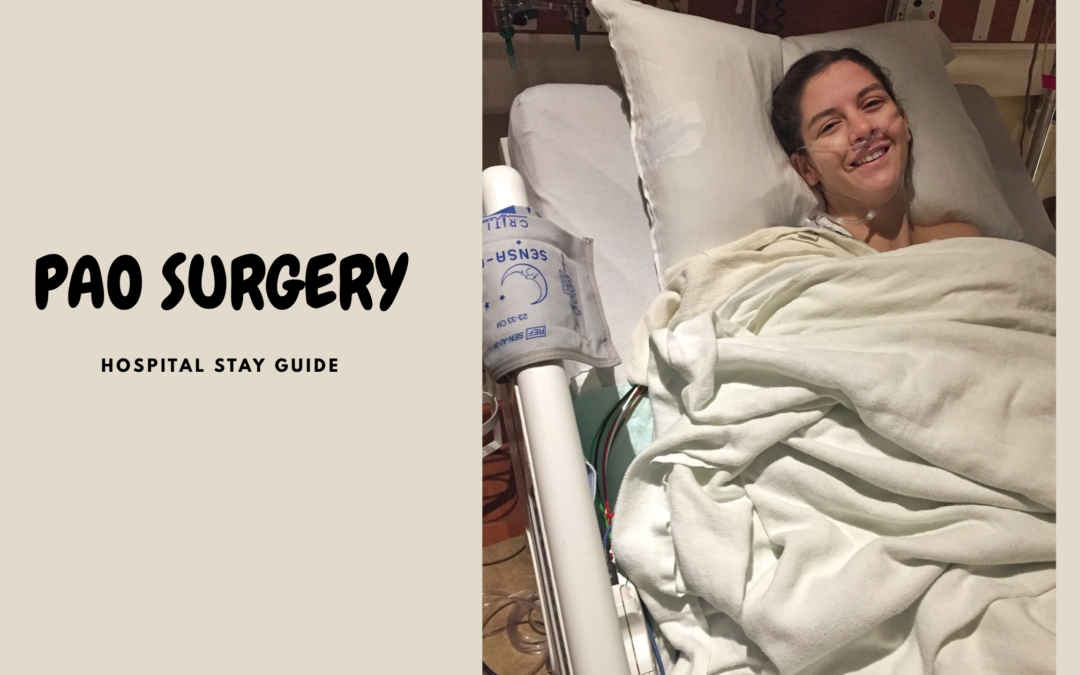
Before Surgery
About 7–14 days before your surgery, you will likely have a pre-op appointment. This appointment is typically done at the hospital or surgery center—not with your surgeon, but with a designated pre-op team.
They will draw blood, check your basic health status, and sometimes perform an EKG. This is all to ensure your body is ready to safely undergo PAO surgery.
Day Of
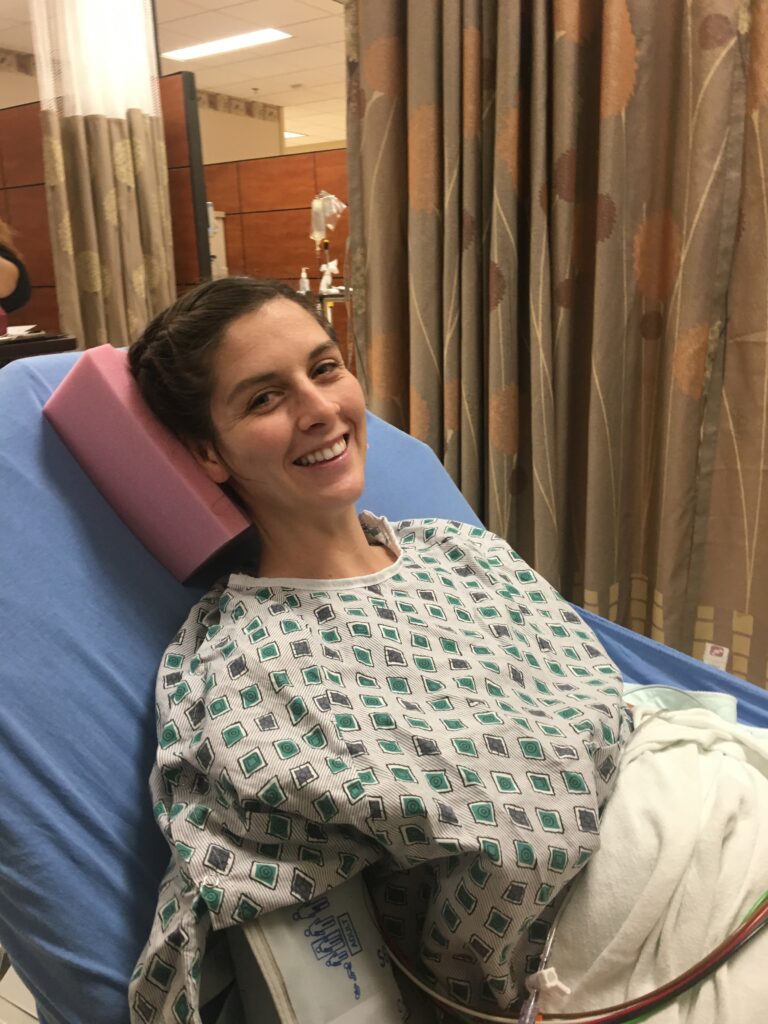
You will likely arrive at the hospital 1–2 hours before your scheduled surgery time.
Because of the complexity of the procedure, all PAOs require an overnight hospital stay. Most stays range from 2–5 nights, though 2–3 nights is most typical. Both of my PAOs required a 2-night stay.
Surgery itself usually lasts 4–6 hours.
When I woke up in recovery, I was very out of it, and it took a while to feel fully awake. During my most recent surgery, I was brought to my room around 2:00 PM and spent nearly the entire rest of the day sleeping until the following morning.
At some point, physical therapy will come in to help you tackle your first challenge: Sitting at the edge of the bed, and standing up.
That’s it.
If that goes well, the next step is getting to a recliner and sitting there for about an hour. Even while still very medicated, I was able to accomplish both—I think I lasted about 2 hours in the recliner.
Pain Management & Other Medications
Each surgeon has a slightly different medication protocol.
Some surgeons will place a spinal (epidural-type anesthesia) in pre-op, while others use a nerve block to help control pain during and after surgery. Both are commonly used and can be very effective, but your specific experience will depend on your surgeon’s approach.
My first PAO surgery in 2018 I received a spinal . For my most recent surgery, I was given a nerve block in pre-op and the following post op while in the hospital:
- An anti-inflammatory
- Tylenol
- OxyContin
- A laxative and stool softener
- An antacid
- Baby aspirin
I was also given morphine through my IV every 4–6 hours.
Sometimes I had to ask for pain medication, but for the most part, the team stayed on top of it.
Always be ready to advocate for yourself. If your pain is not well controlled, speak up and ask about other options.
For me, both of my PAO experiences went smoothly with typical pain management, but others may need adjustments to find the right combination.
Day 2
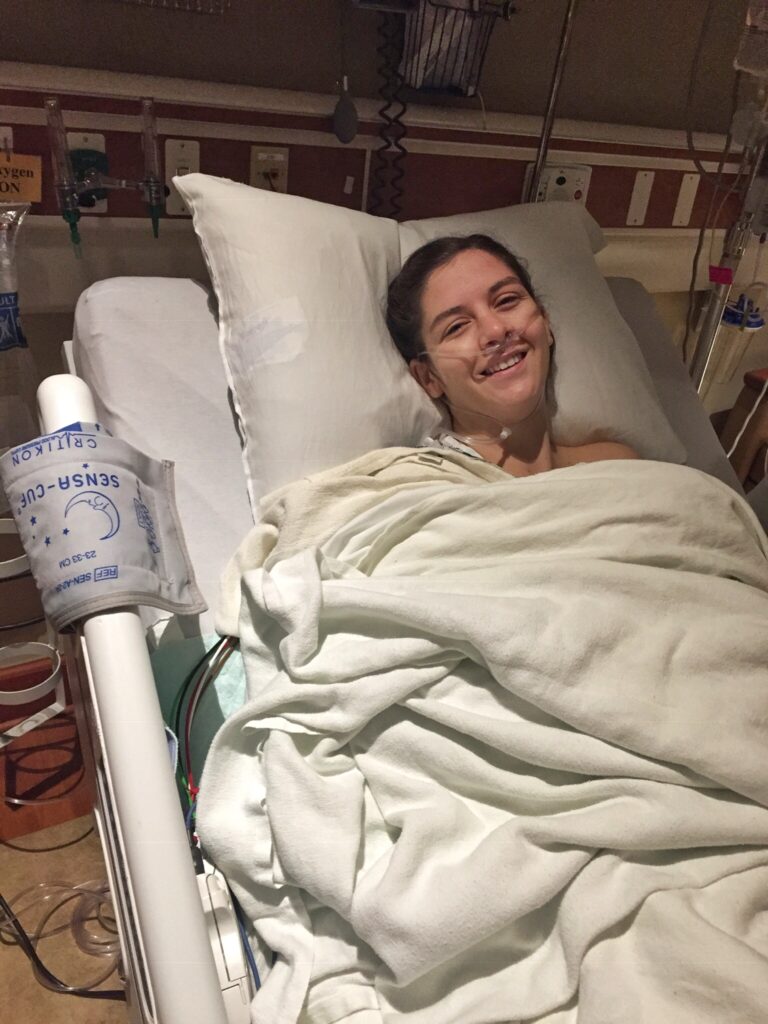
By day two, you will likely start to feel a bit more like yourself and less like sleeping all day.
Your appetite may slowly return, but don’t be surprised if you still don’t feel like eating much. Do your best to eat what you can—this helps:
- Prevent nausea from medications
- Maintain blood pressure
- Get your digestion moving again
On day two, your foley catheter will be removed.
After my first PAO, I was unable to urinate on my own—this can happen after anesthesia, especially with longer surgeries. Unfortunately, if you’re unable to go, they will need to reinsert the catheter (not the most enjoyable experience).
If everything goes smoothly, expect to start getting up more frequently to use the restroom. It can be uncomfortable, especially as the nerve block or spinal anesthesia begins to wear off.
For me, pain increased on day two, and I needed medication more frequently.
Physical Therapy
Your doctor or physician assistant will likely check in on you, and you’ll have another physical therapy session.
If you weren’t able to complete day one tasks (standing or sitting in the recliner), they will help you try again.
If things are progressing well, they’ll have you:
- Use crutches
- Walk to the PT room
- Practice stairs
They will follow you with a wheelchair in case you need breaks.
If you pass this evaluation, you are typically cleared to go home.
Day 3 — Going Home
For most people, day three is discharge day (assuming pain is managed, PT goals are met, and there are no complications).
A nurse will go over all discharge instructions and make sure you understand everything.
You’ll be taken to your car in a wheelchair. Getting into the car can feel awkward, but the medical team will guide you—you’ve got this!
What to Bring
In my experience, you don’t need much:
- Extra-long phone charger
- A book (though I didn’t end up reading it)
- Loose, comfortable clothes to go home in
- Toothbrush + toothpaste
- Hairbrush and hair ties
The hospital often provides basic toiletries anyway.
Some people bring clothes to wear during their stay, but I personally found the hospital gown much easier—especially for using the restroom and allowing easy access to incisions for the medical team.
Have more questions about your hospital stay? Feel free to leave a comment below! If you want access to more information and resources for your PAO surgery, be sure to check out the Resources Page and FAQ page!
Want to learn more about Hip Dysplasia, the International Hip Dysplasia Institute is another great resource.