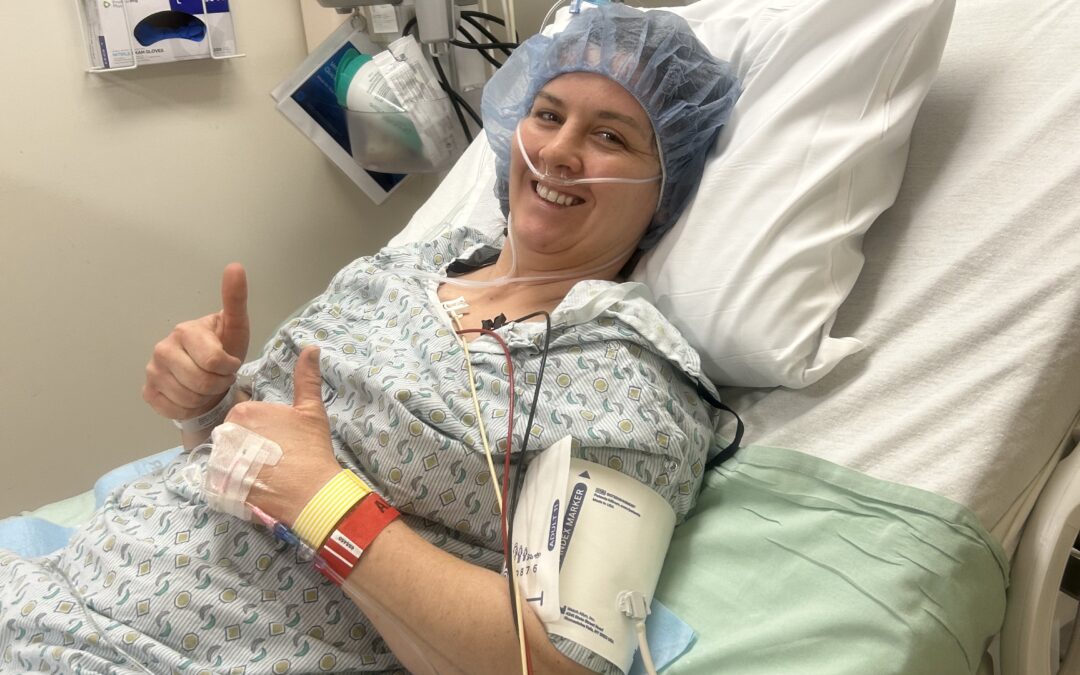
The Peak of my Fitness Journey
In 2017, I was running farther and faster than ever before.
I was teaching multiple fitness classes a week, chasing big goals, and challenging myself to things like running every half marathon in Ohio. I had never felt stronger or more capable in my body.
That December, I was in the middle of a personal challenge: running a 15K (9.3 miles) every single day from October through the end of the year to hit 2,017 miles in 2017.
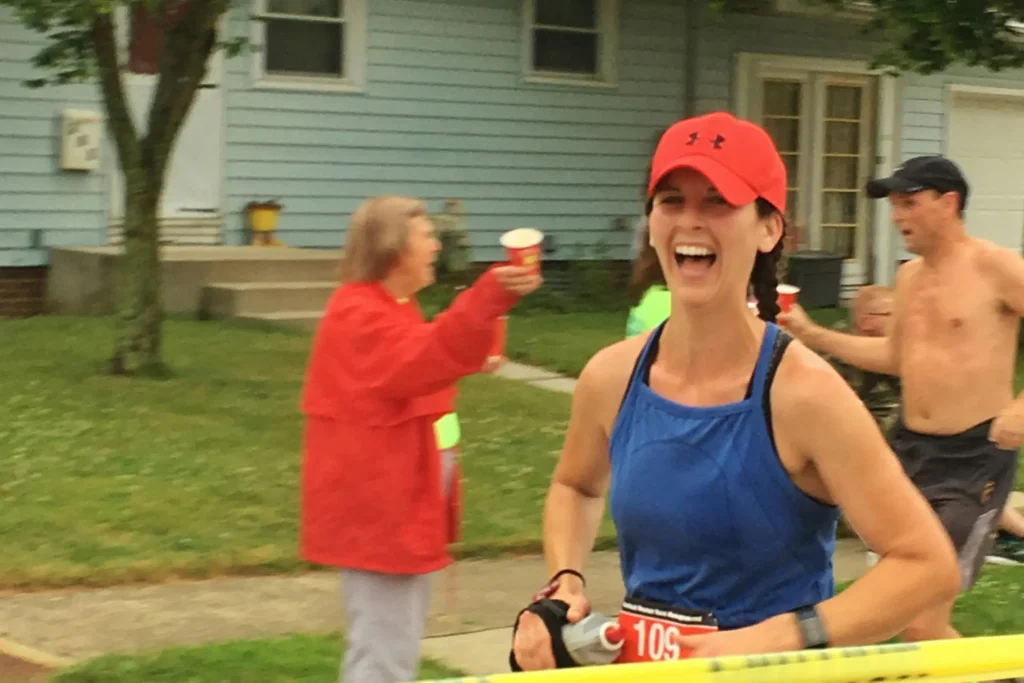
That year alone I had:
- Run a marathon
- Completed over 10 half marathons
- Taught strength classes at my church 2–3 times per week
- Raised money for local charities
- Documented it all on my blog, Running Across Ohio
- Even had an article written about me on Live Action’s website
I truly felt unstoppable.
Until I wasn’t.
In mid-December, I started feeling pain in my right thigh. I had promised myself I would stop my challenge at the first sign of injury. After about a week of trying to push through, I kept that promise.
I stopped running.
I stopped working out.
And I went looking for answers.
The Diagnosis That Changed Everything
I started with a local physical therapist I had seen before for minor aches and pains. We worked together for about six weeks — dry needling, manual therapy, and strengthening exercises.
I tried returning to running. The pain stayed. And then it got worse. Groin pain and deep hip pain – a kind of ache I couldn’t ignore.
My PT suggested a sports medicine doctor. The sports medicine practice had X-rays taken which ruled out stress fractures and I was told to continue PT, but something in my gut said there was more going on.
So I sought out a hip specialist who ordered new X-rays and an MRI. At the time, I thought the worst-case scenario would be a torn labrum. Six to twelve weeks on crutches sounded devastating — but manageable. Fast forward to April 2018 and I have MRI results.
The doctor walked in and said it plainly:
You have hip dysplasia and FAI in both hips.
Both labrums are torn.
Your hip joints are deteriorating.
I was only 28 years old.
When Your Body Becomes the Obstacle
Hip dysplasia means the hip socket is too shallow to properly support the femur. The joint is unstable and over time, it wears down cartilage leading to irreversible joint damage.
The correction? A major surgery called a Periacetabular Osteotomy (PAO) — where the surgeon cuts and repositions the pelvis to create proper coverage of the femoral head.
FAI (Femoroacetabular Impingement) means the femur and socket rub abnormally due to bone shape issues, often requiring a hip scope to reshape the femur and repair the labrum.
In simple terms: My hips were structurally built wrong and no amount of stretching, strengthening, injections, or “lifestyle modifications” could change bone structure. And without correction, I was headed toward early hip replacement.
Trying Everything Before Surgery
For months I tried to manage it conservatively with physical therapy, activity modification, less impact and more rest, but even walking irritated my hip.
At 28 years old, I had two options:
- Undergo a PAO and hip scope with a 6–12 month recovery.
- Permanently reduce my activity and hope to delay a total hip replacement.
Many people thought surgery was extreme. They would say things to me like “You can still function, just adjust your workouts and wait until you’re older.” But I wasn’t 60, I was only 28 and a mom to 3 active and adventurous kids at the time. And the thought of slowly shrinking my life to protect a failing joint didn’t sit right with me.
So I chose surgery.
Surgery Day: Fear, Faith, and Letting Go of Control
There were limited PAO surgeons near Cleveland, so I was referred to a highly respected surgeon in Columbus.
By the time surgery arrived, I was 29 — considered “older” for this procedure. My surgeon warned me that if my cartilage was too damaged, he would close me up and I’d wait for a total hip replacement instead.
That possibility scared me more than the surgery itself.
But I also felt incredible peace.
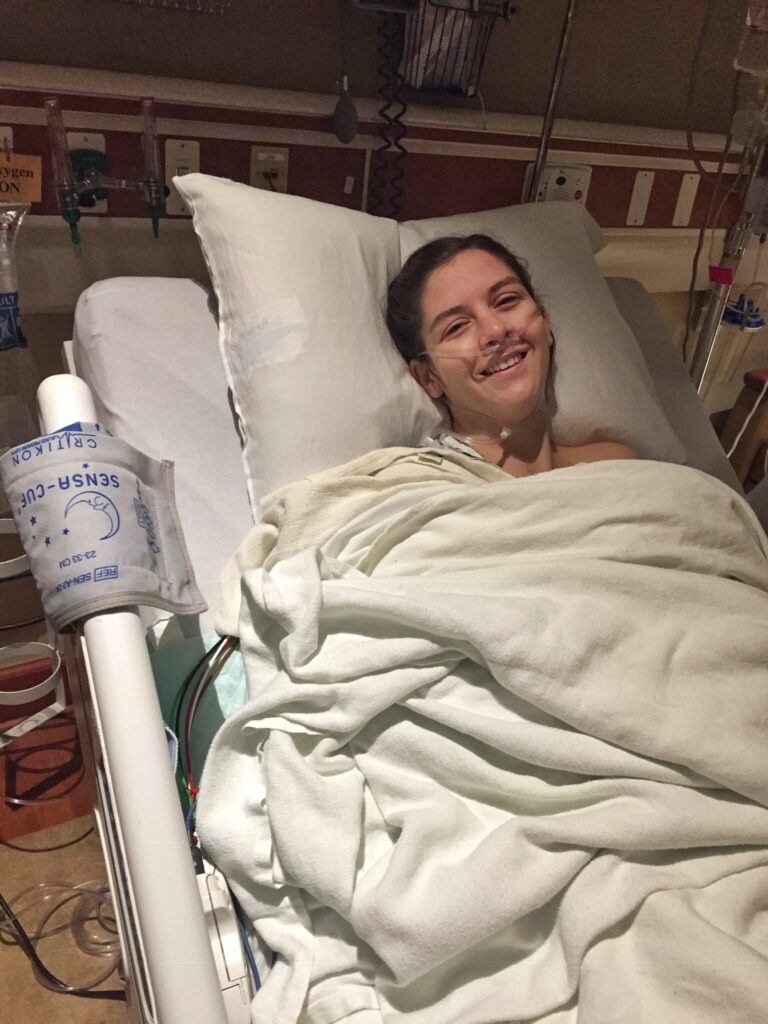
So many people were praying for me. I genuinely felt the Lord’s presence that day and after five months of waiting, I was ready.
The Shock of Recovery
The first two weeks were the hardest physically.
Pain was manageable, but basic tasks were exhausting: Getting in and out of bed, using the bathroom, showering, using the stairs, all required assistance. I was instructed to stay mostly in bed for two full weeks.
For someone who thrives on movement, that felt suffocating. But surprisingly, mentally, I did okay. My body was tired. I rested. I watched TV. I healed.
For six weeks, I could only put 20–30 pounds of weight on my leg. Around four weeks, I was cleared for pool walking — and that felt like freedom. Still, recovery didn’t move as quickly as I hoped.
I was supposed to be off crutches by 12 weeks. Instead, I had a significant limp. It took me 20 weeks to walk independently, and that particularly was humbling. Time felt so slow back then, and now, I’m 7.5 years past that surgery.
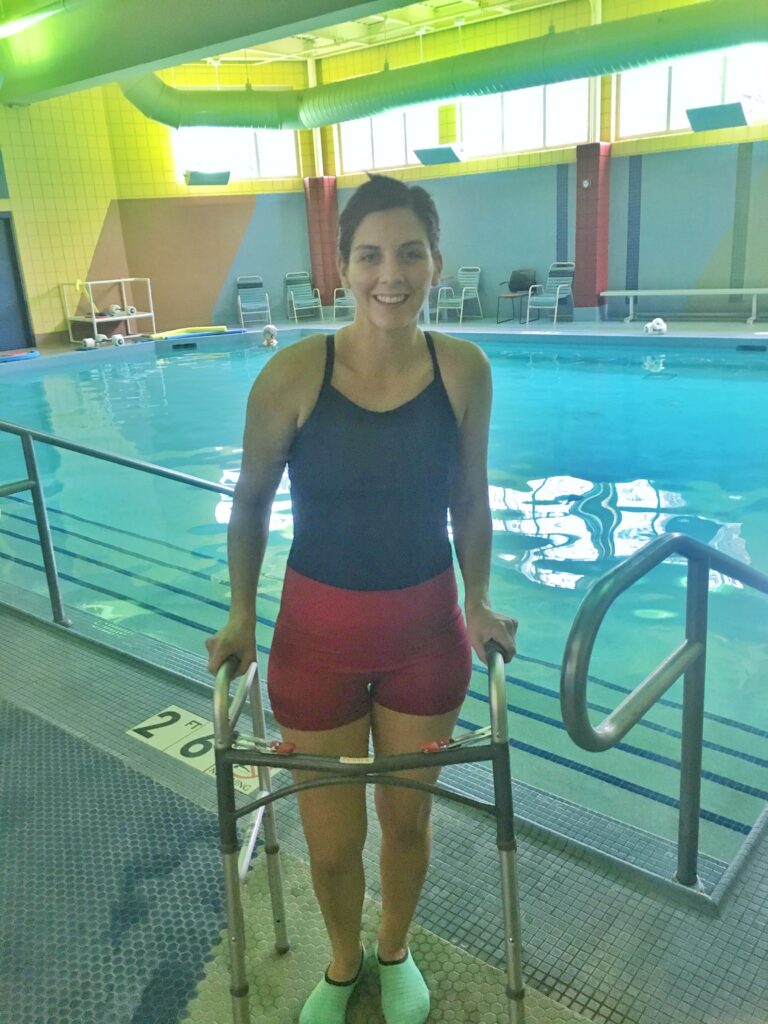
Learning Patience in a Body That Won’t Cooperate
At six months post-op, I was cleared to run again, and for eight years, I did. There was tightness. There were flare-ups. But overall, my right hip held strong. I even had another baby less than two years after surgery.
Then July 4th, 2025 happened. I threw my back out before a race. Something felt different. My left hip hurt for weeks and I knew what that meant. Another MRI confirmed it. My left hip needed a PAO. And unexpectedly, imaging showed my right labrum had re-torn and likely needed a revision scope.
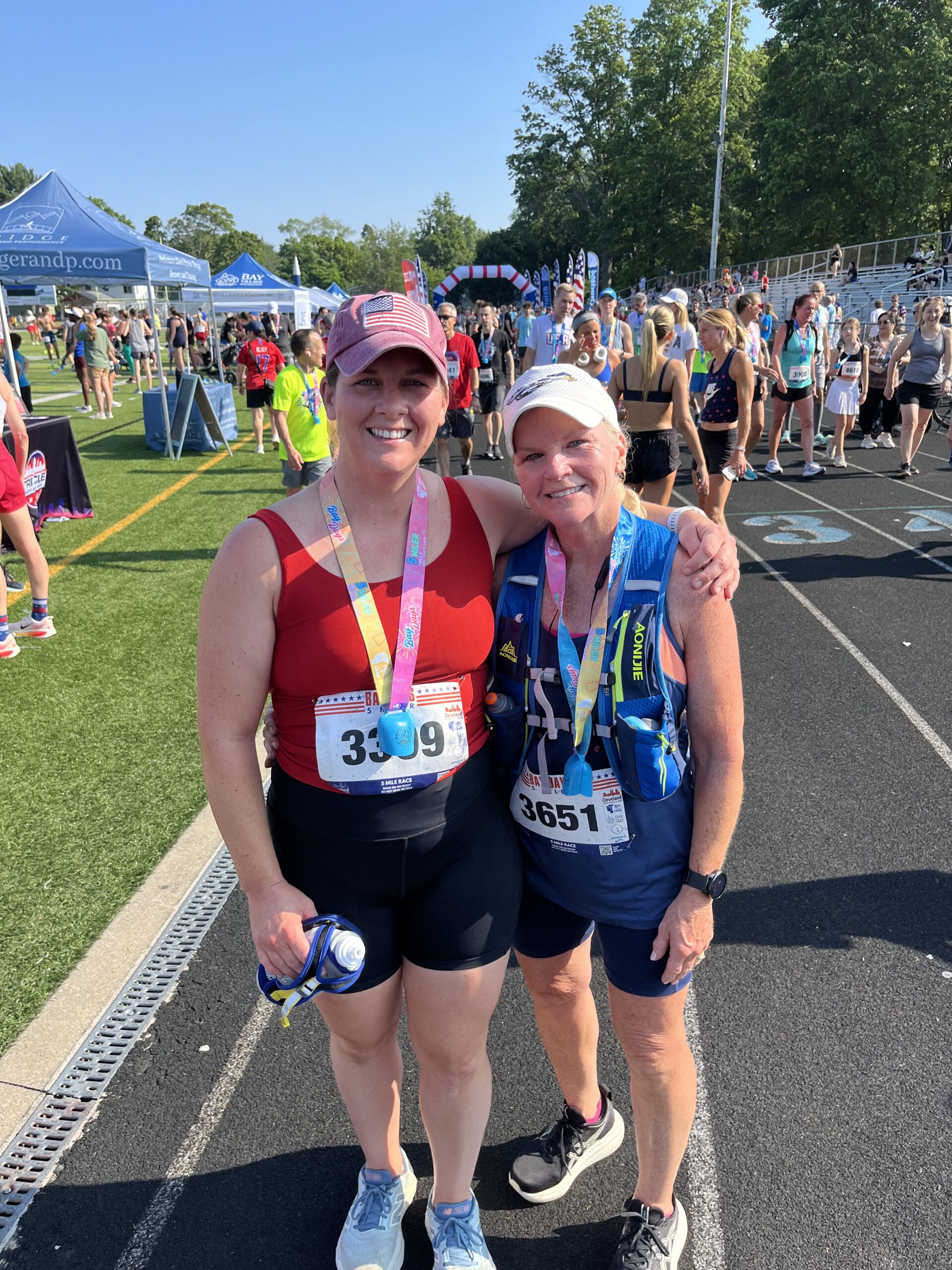
So I chose to fix the right hip first. If that joint was too damaged for repair, I wouldn’t pursue PAO on the left. Thankfully, the revision went beautifully. My cartilage looked healthy and at 12 weeks, I was cleared for left hip surgery.
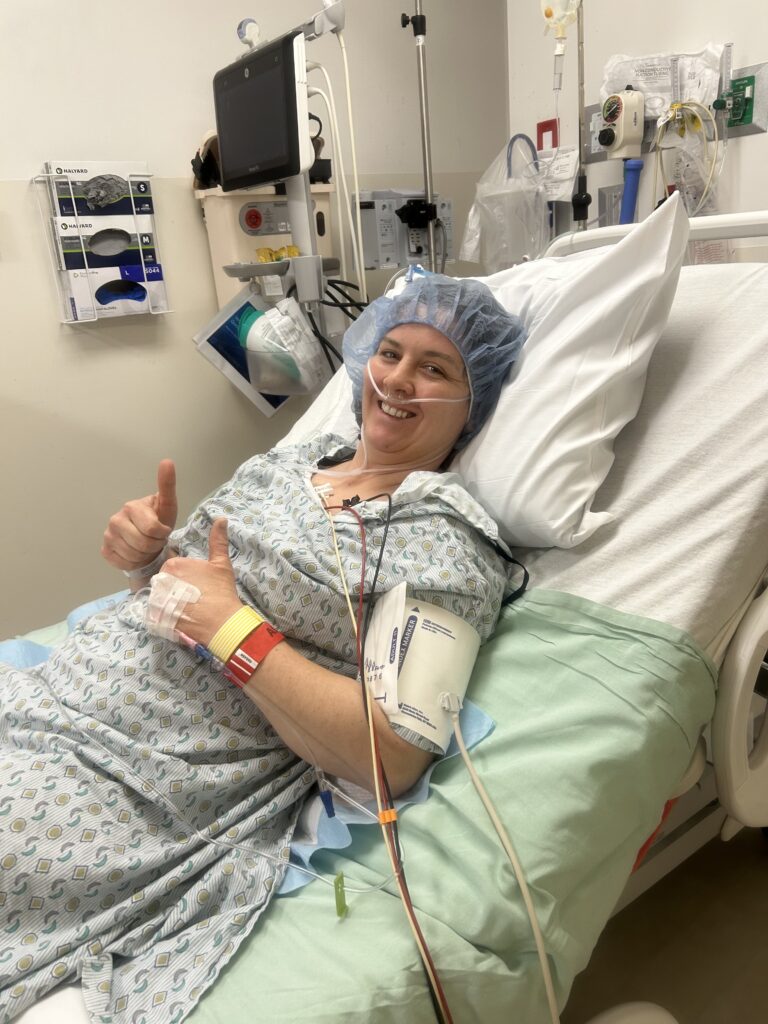
Just over 12 weeks after my revision, I underwent my left PAO and scope. Today, I am two weeks post-op, and hopeful.
What This Season Has Taught Me
My first PAO taught me more than how to walk again, it exposed my identity. It brought my eating disorder into the light when I struggled with weight gain during recovery. It forced me to confront a hard truth:
I am not what my body can accomplish.
I am not defined by miles run or weights lifted.
I am not good or bad based on how I look.
I have value because I am made in the image of God. And that truth sank deeper through pain than it ever did through achievement.
Where I Am Now — And Where I’m Headed
At two weeks post-op, I don’t know exactly what this next chapter holds. There are still unknowns and there are no guarantees, but I trust that God has purpose in this season.
If you’re here because your body isn’t cooperating…
If you’re grieving something you loved…
If you’re facing surgery or chronic pain…
I see you.
There is still hope on this side of heaven.
I’m sharing this journey not because it’s easy — but because I believe light matters most in the dark seasons.
And I hope you’ll follow along here at Emily Living Well as I navigate recovery, faith, strength, and learning how to live well — even when life looks different than you planned.